Water & Wastewater Treatment
Designing, installation, commissioning, operation & maintenance
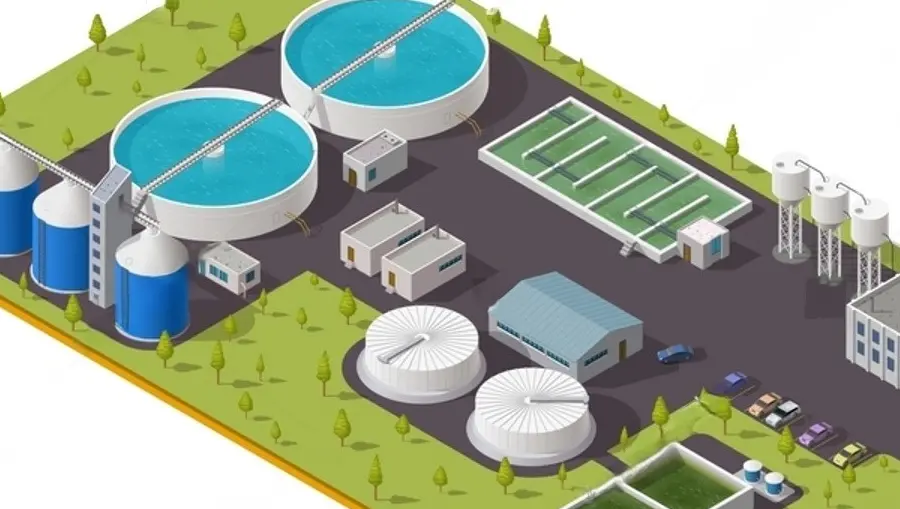
Effluent Treatment Plant
An Effluent Treatment Plant (ETP) treats industrial wastewater, removing contaminants before safely discharging it. It uses filtration, chemical, and biological processes to ensure water meets environmental standards, protecting ecosystems and public health.

Sewage Treatment Plant
A Sewage Treatment Plant (STP) processes domestic wastewater, removing contaminants to produce clean water. Using physical, chemical, and biological treatments, STPs ensure the safe discharge of water, protecting public health and the environment.

Reverse Osmosis
A Reverse Osmosis (RO) plant purifies water by forcing it through a semi-permeable membrane, removing impurities and contaminants. This process produces clean, safe drinking water and is widely used in industrial, commercial, and residential applications to ensure high-quality water supply.
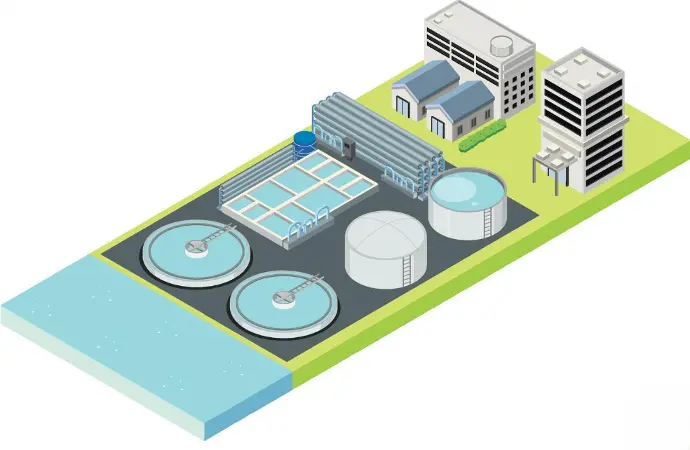
Water Treatment Plant
A water treatment plant processes raw water to remove contaminants and ensure it is safe for consumption or use. Through various methods like filtration, sedimentation, and disinfection, these plants produce clean, potable water, protecting public health and supporting various industries and communities.
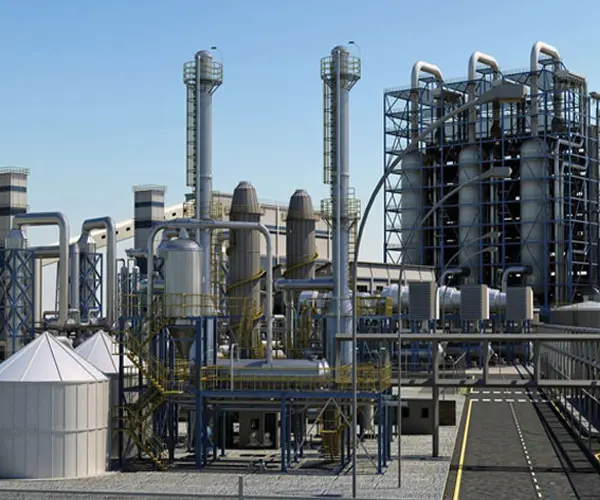
Zero Liquid Discharge
Zero Liquid Discharge (ZLD) is a water treatment process that ensures no wastewater is discharged into the environment. It involves advanced treatment methods like evaporation and crystallization to recycle and recover water and salts, promoting sustainability and environmental protection.
Solid waste Management

Vermicomposting
Vermicomposting is an eco-friendly method of composting that uses earthworms to convert organic waste into nutrient-rich fertilizer. This process enhances soil health, reduces waste, and promotes sustainable gardening and agriculture practices.

Hazardous waste management
Hazardous waste management involves the safe handling, treatment, and disposal of dangerous substances to prevent harm to humans and the environment. It includes identification, storage, transportation, and disposal of hazardous materials, ensuring compliance with regulatory standards and promoting public and environmental safety.

Non-hazardous waste management
Non-hazardous waste management involves the systematic collection, treatment, and disposal of waste that poses minimal risk to health and the environment. This includes recycling, composting, and landfill disposal, aimed at reducing waste volume, conserving resources, and minimizing environmental impact.
Resource Management

Rain water Harvesting
Rainwater harvesting is the collection and storage of rainwater for reuse, typically for irrigation, landscaping, or even potable water after proper treatment. This sustainable practice reduces water bills, conserves resources, and helps manage stormwater, promoting environmental conservation and resilience.
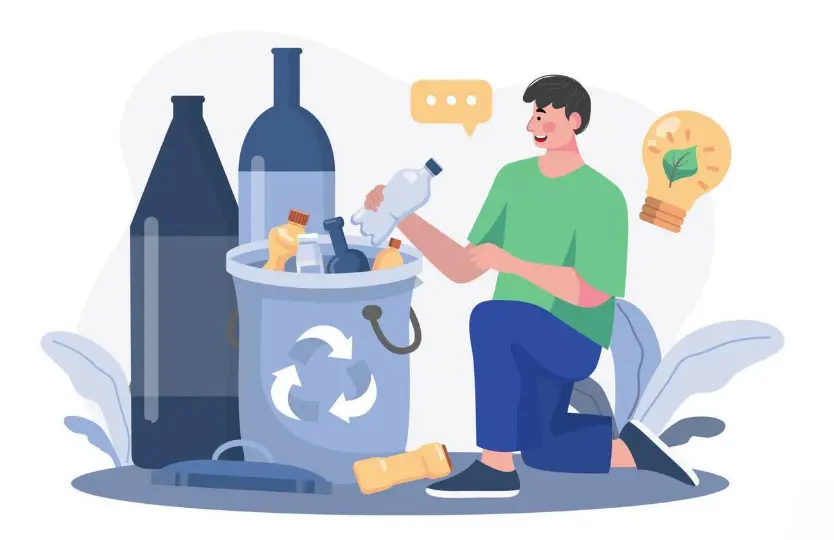
Waste to resource conversion
Waste-to-resource conversion is the process of transforming waste materials into valuable products, such as energy, compost, or raw materials. This sustainable approach reduces landfill use, conserves resources, and minimizes environmental impact by repurposing waste into beneficial resources.

Solar Energy
Solar energy is power harnessed from the sun’s rays using technologies like solar panels. It is a clean, renewable energy source that reduces reliance on fossil fuels, lowers greenhouse gas emissions, and supports sustainable energy solutions.