Training Competencies
CHESS offers a suite of accredited, globally recognized Occupational Safety, Health and
Environment training courses that can be studied via the classroom, e-learning or at your
organization’s premises.
Our team of experienced industry professionals and chartered practitioners have extensive
experience working in the mining, metal, chemical, pharmaceuticals, petrochemicals, oil and
gas, fertilizer, utilities, consumer goods, public utilities, government to power sector including
atomic power plants, aerospace and transport industries.


Special Features of Training
Tailored to client’s specific site conditions, work process/equipment, any special and typical
site problems being faced at workplace.
Initial and final assessments provide management with insights into participants' current skills and their knowledge gains from the training program.
Training presentations use animated scenarios to engage participants, making complex technical and managerial topics more interactive and easily understandable.
Our training modules are designed and delivered by experts with multidisciplinary qualifications and experience in hazardous worksites, adding practical value to the training.
Case studies of typical, anticipated, and real accidents/incidents, along with their analysis, provide practical insights for participants.
Field training and equipment inspections are conducted with participants to provide hands-on knowledge of testing and inspection using tools and gadgets.
Training Milestones

Successfully completed
more than 20 On-site
training programs and
trained more than 500
participants since 2018.

Conducted Certification
training programs for
more than 25 working
professionals.

Organized more than 30
Online training programs
for more than 2,000
participants and still
counting.
Training Diversity
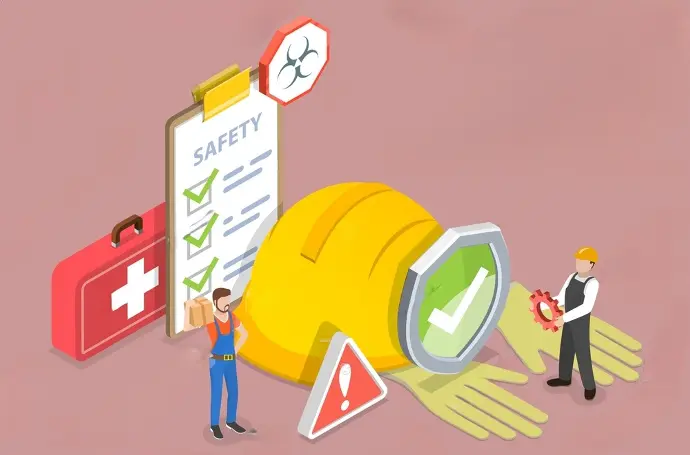
Industrial Safety
Industrial safety encompasses protocols and practices to protect workers, equipment, and the environment in industrial settings. It includes risk assessments, safety training, emergency preparedness, and protective gear to prevent accidents and ensure a safe working environment.
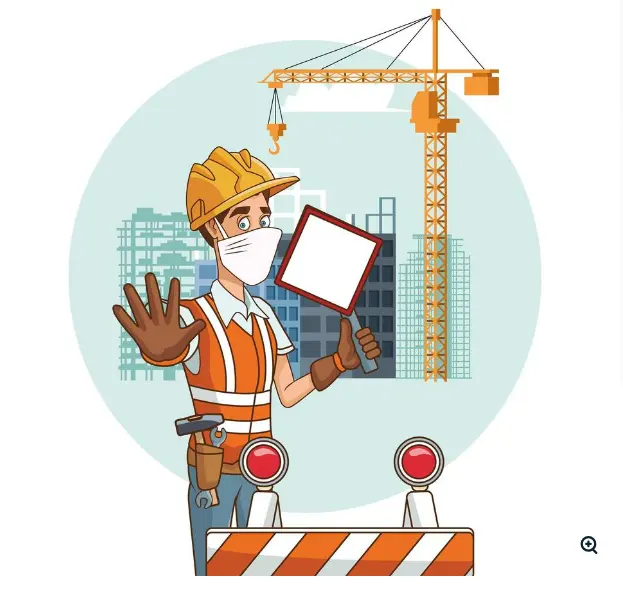
Construction Safety
Construction safety involves protocols and practices to protect workers and the environment on construction sites. It includes risk assessments, safety training, use of protective gear, and compliance with regulations to prevent accidents and injuries, ensuring a safe and efficient work environment

Fire Fighting
Firefighting involves methods and practices to prevent, control, and extinguish fires. It includes using equipment like fire extinguishers, hydrants, and sprinklers, as well as training in fire prevention, rescue operations, and emergency response to protect lives and property.

First Aid Training
First aid training equips individuals with the skills to provide immediate care in medical emergencies. It covers basic life support, wound treatment, CPR, and handling common injuries, ensuring prompt and effective assistance until professional medical help arrives.

Risk Assessment & HIRA
Risk Assessment & HIRA (Hazard Identification and Risk Assessment) involve evaluating potential hazards in the workplace. The process includes identifying risks, analyzing their impact, and implementing measures to mitigate them, ensuring a safer work environment and compliance with safety standards.
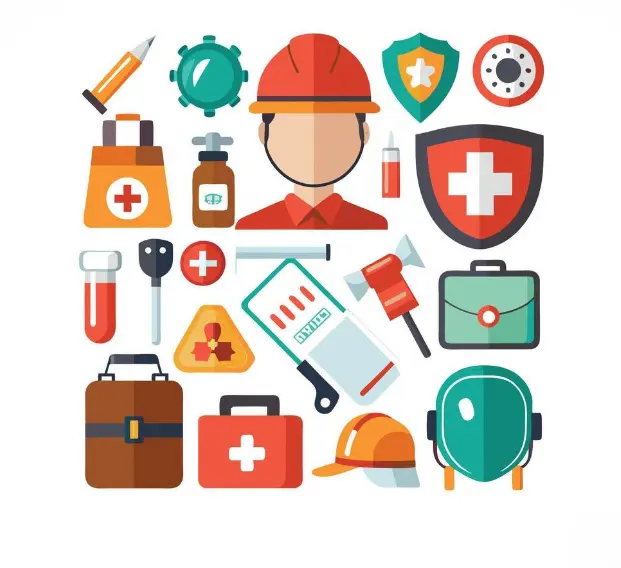
Emergency Preparedness
Emergency preparedness involves planning and training for potential emergency situations. It includes developing response plans, conducting drills, and ensuring resources are available to handle emergencies effectively. The goal is to minimize damage, protect lives, and ensure a swift recovery during incidents like fires, natural disasters, or industrial accidents.

Personal Protective Equipment’s
Personal Protective Equipment (PPE) refers to gear and clothing designed to protect workers from hazards. This includes items like helmets, gloves, goggles, masks, and safety vests, which provide protection against physical, chemical, and biological risks, ensuring safety and reducing the risk of injury in various work environments.

Contractor Safety
Contractor safety ensures that contractors follow safety protocols and regulations while working on-site. It includes safety training, risk assessments, monitoring compliance, and providing necessary protective equipment. The aim is to prevent accidents and injuries, ensuring a safe working environment for all personnel involved.
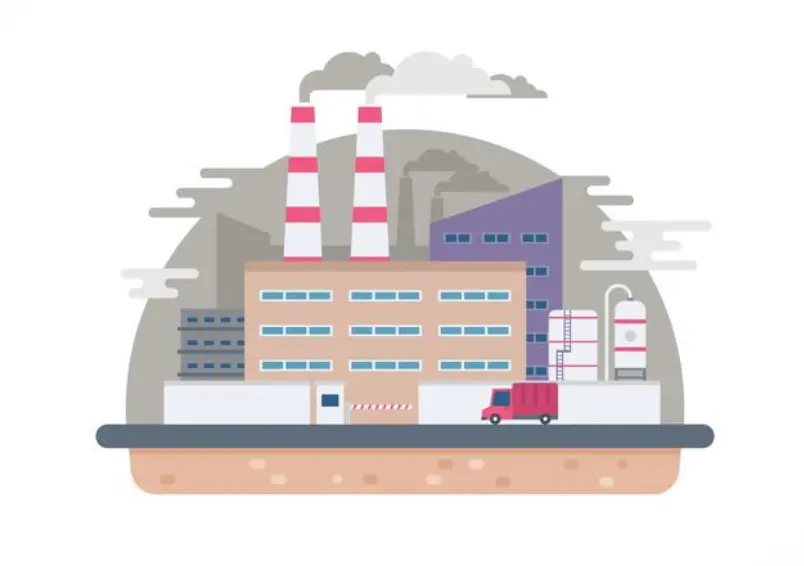
Environmental Pollution
Environmental pollution refers to the contamination of natural resources such as air, water, and soil by harmful substances. It results from industrial activities, vehicle emissions, improper waste disposal, and chemical spills. Pollution adversely affects ecosystems, human health, and the climate, necessitating stringent measures for prevention and control to protect the environment.

Waste segregation
Waste segregation involves separating different types of waste materials—such as recyclables, organic waste, and hazardous substances—at the source. This process improves recycling efficiency, reduces landfill waste, and minimizes environmental impact by ensuring proper disposal and treatment of various waste streams.